
Interviewing for Insight
The way in which we ask questions can have a profound effect on the utility of the information we glean. The Mom Test is an interesting piece of literature on this and below is a summary…
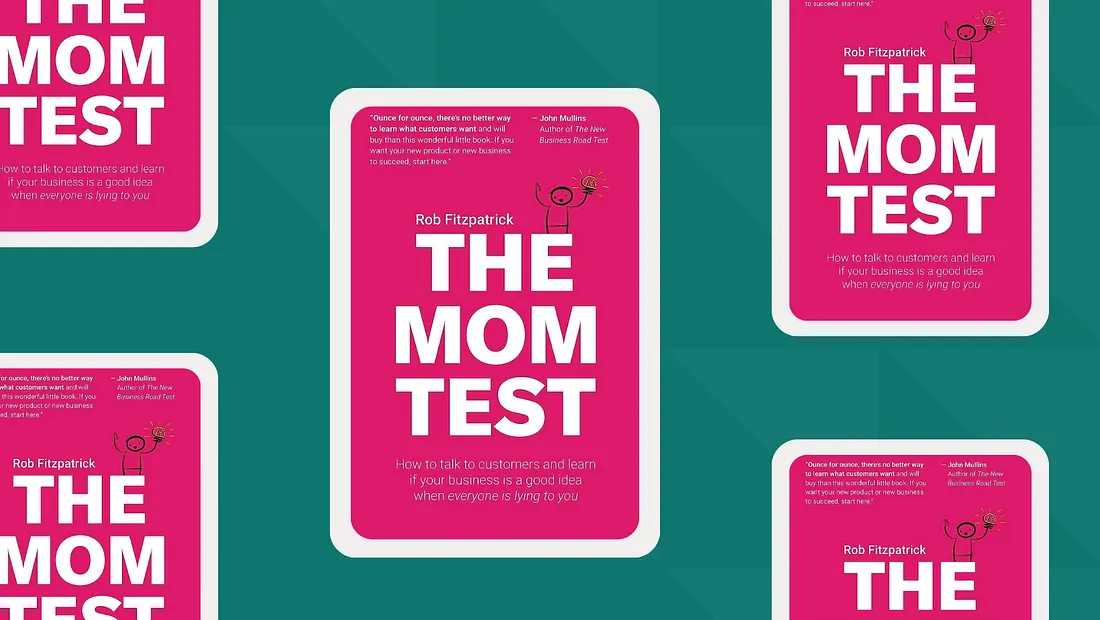
Key points from The Mom Test
- Talk about their life instead of your idea;
- Ask about specifics in the past instead of generics or opinions about the future;
- Talk less and listen more.
5 questions, good and bad
1. Why do you bother? Good question.
A question like this points toward their motivations. It gives you the why.
2. What are the implications of that? Good question.
Some problems have big implications and other exist but don’t actually matter. This kind of question helps you to find out which is which.
3. Talk me through the last time that happened. Good question.
Learn through their actions instead of their opinions. Get close to the real action as you can and when you can’t get in there, asking them to talk you about the last time it happened.
4. Would you pay X for a product which did Y? Bad question.
People are overly optimistic about what they would do and want to make you happy. Plus, it’s about your idea instead of their life.
How to fix: Ask about what they already do now and not about what they believe they might do in the future. Another way to fix it is ask for money.
5. Do you think it is a good idea? Bad question.
How to fix it: Ask them to show you how they currently do it, which part they love and hate, which tools and processes they tried before and if they are actively searching for a replacement.